

5 Agile Project Management Strategies in 2025
-
Home
-
Agile Management
-
5 Agile Project Management Strategies in 2025

5 Agile Project Management Strategies in 2025
Discover the top 5 Agile project management strategies for 2025. Learn how to lead digital teams with confidence, agility, and impact.

Table of Content
-
Introduction
-
Strategy #1: Embracing Agile-AI Synergy
-
Strategy #2: Agile Framework Blending (Scrum + Kanban + Lean)
-
Strategy #3: Remote-First Agile Implementation
-
Strategy #4: Customer-Centric Agile Planning
-
Strategy #5: Agile Leadership and Mindset Shifts
-
The Future of Agile Careers
-
Master Agile in 2025

Introduction
Agile project management has become the backbone of modern business success, enabling teams to pivot quickly, deliver faster, and respond effectively to change. Since its inception in the early 2000s, Agile has evolved from a software-specific framework into a holistic management philosophy applicable across industries—from marketing to construction, education to healthcare.
But why is 2025 a turning point for Agile?
In the post-pandemic world, work has become digital-first. Remote teams, automation, AI-enhanced tools, and a growing emphasis on user experience are reshaping how organizations operate. In this climate, Agile is not just a method—it's a mindset that fosters adaptability, customer-centricity, and continuous learning.
In this article, we explore five game-changing Agile strategies shaping project management in 2025. These strategies will help you stay competitive, empower your team, and lead with confidence in an ever-evolving business landscape.
Strategy #1: Embracing Agile-AI Synergy

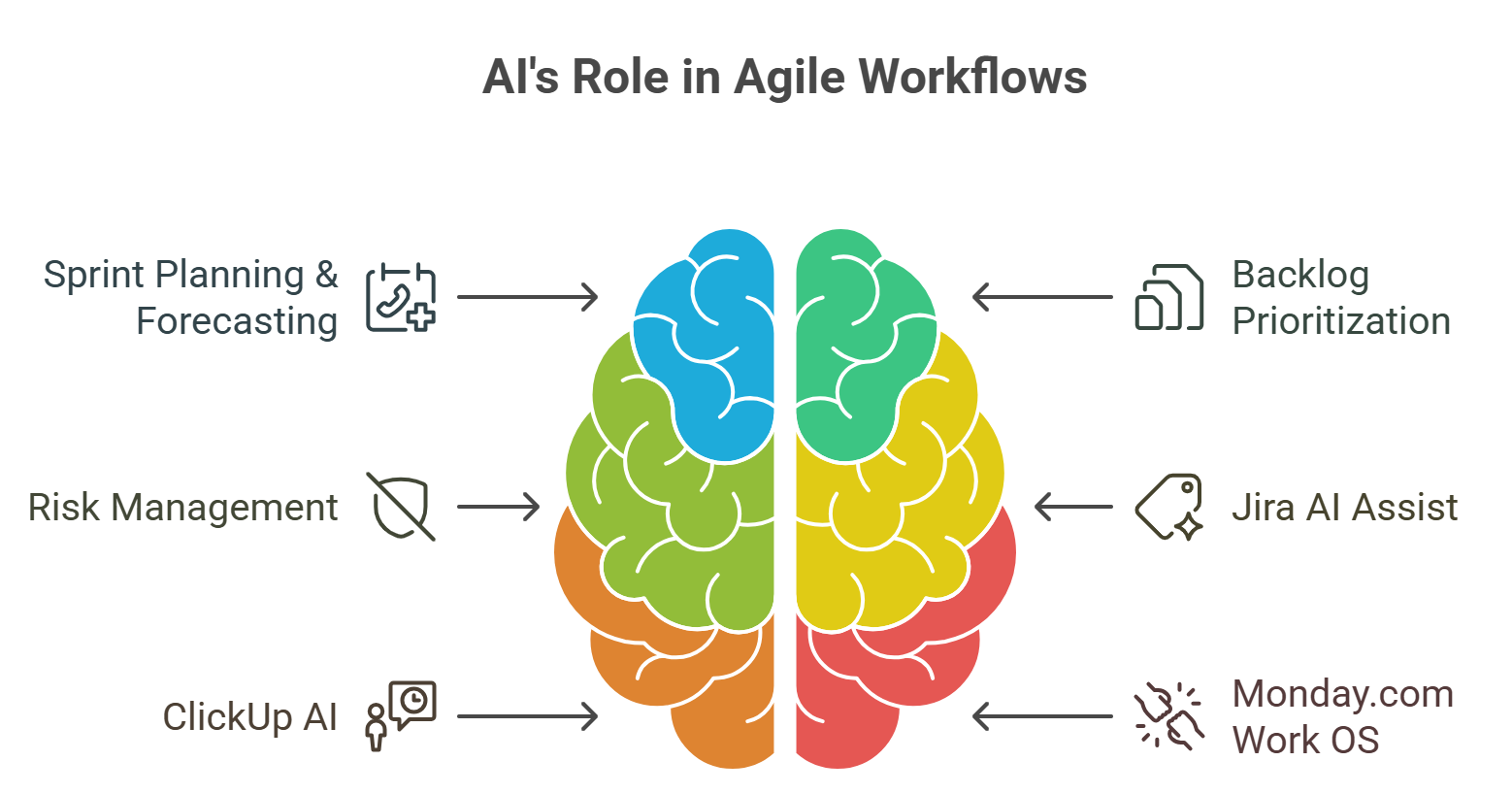
Artificial Intelligence is no longer just a buzzword—it’s a key ally in Agile workflows. In 2025, AI is increasingly integrated into project management tools, making sprints smarter and more predictive.
Key AI Enhancements in Agile:
- Sprint Planning & Forecasting: AI analyzes past sprints to estimate future capacity.
- Backlog Prioritization: Natural Language Processing (NLP) tools rank user stories based on urgency and business value.
- Risk Management: Machine learning identifies bottlenecks and predicts potential blockers in real-time.
Example Tools:
- Jira AI Assist: Offers smart ticket suggestions.
- ClickUp AI: Automates routine tasks and summaries.
- Monday.com Work OS: Predictive timelines based on team velocity.
Teams that integrate AI with Agile principles can delegate repetitive tasks, focus on creative problem-solving, and maintain momentum.
Strategy #2: Agile Framework Blending (Scrum + Kanban + Lean)

Gone are the days of rigid framework silos. In 2025, high-performing teams often blend elements from multiple Agile frameworks to suit their specific needs.
Why Blend Agile Frameworks?
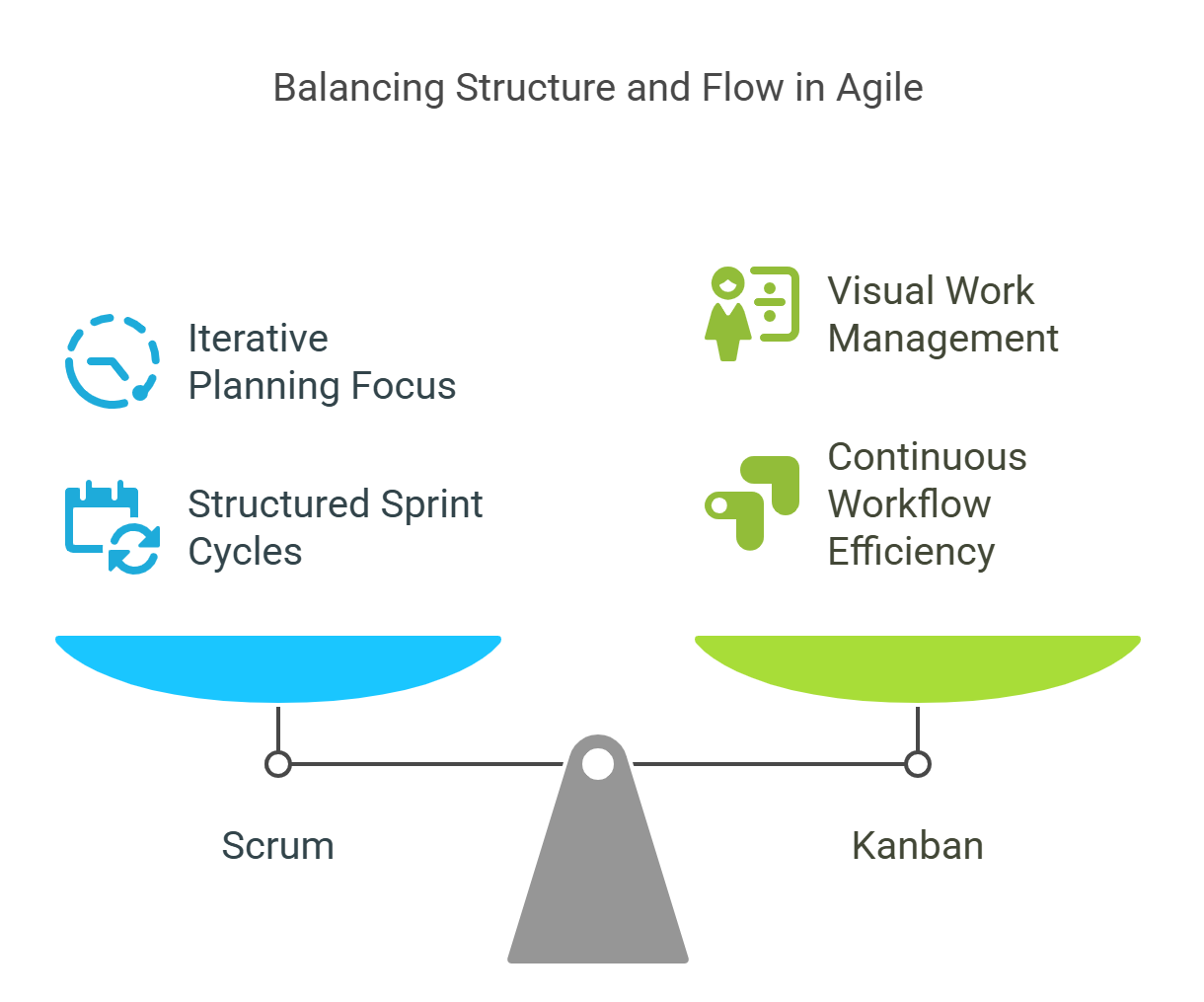
- Scrum is excellent for iterative planning.
- Kanban visualizes work and minimizes WIP (Work in Progress).
- Lean ensures value delivery and eliminates waste.
Example Hybrid Models:
- Scrumban: Combines Scrum’s structured sprints with Kanban’s visual flow.
- Lean-Kanban: Focuses on customer value through flow efficiency.
- AgilePM + DevOps: Ideal for product-based development with continuous deployment.
Each team must find the right mix based on project complexity, team maturity, and customer feedback loops.
Strategy #3: Remote-First Agile Implementation
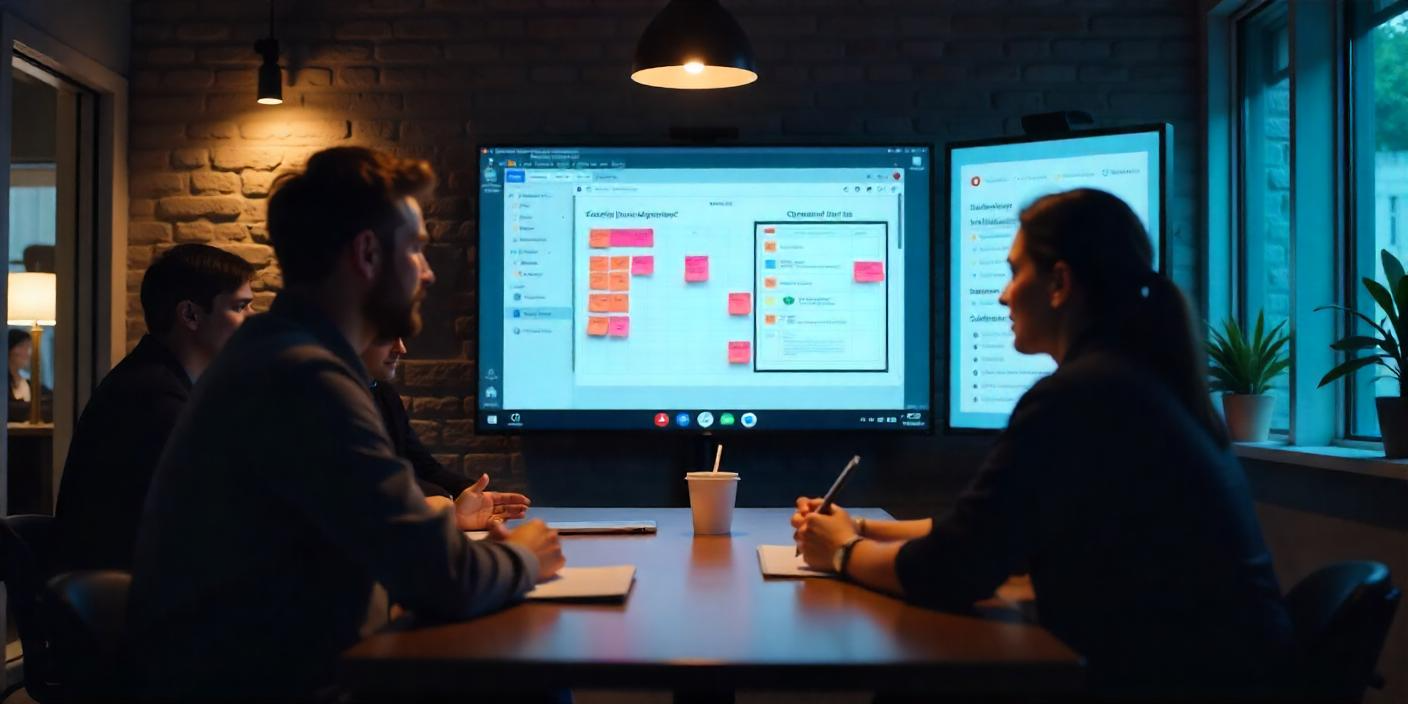
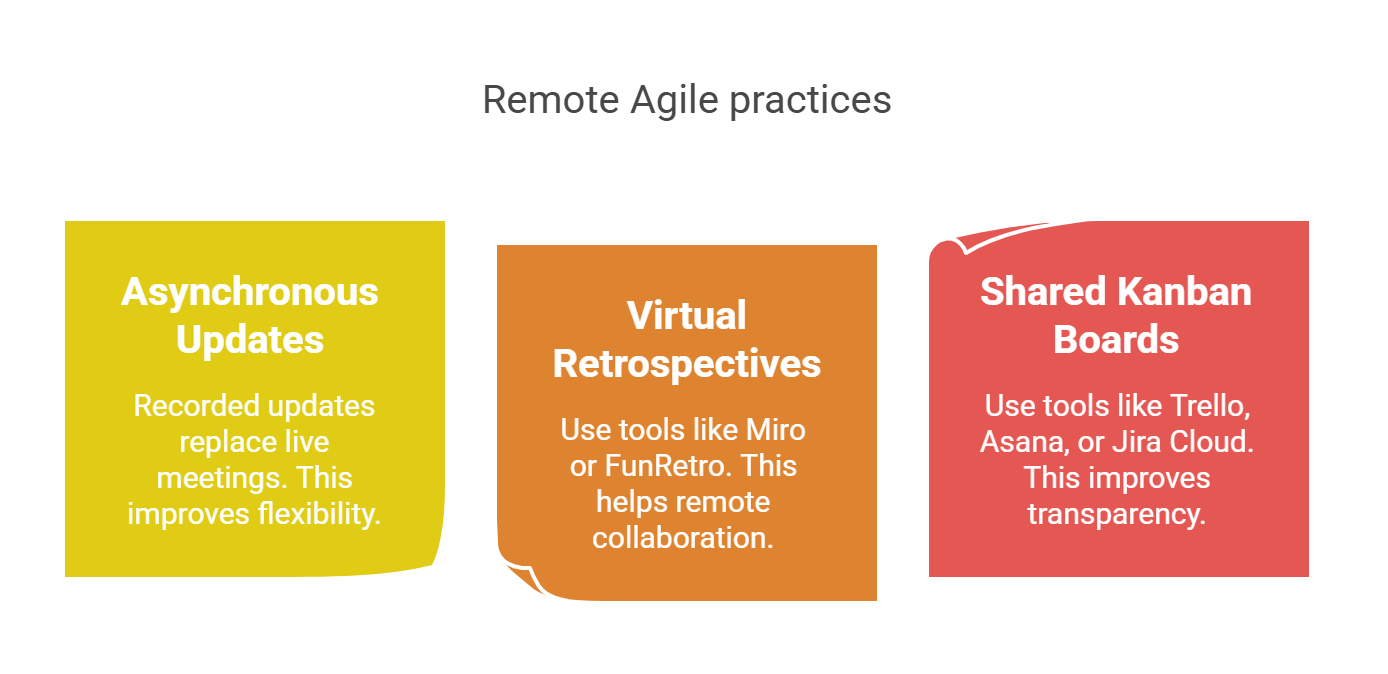
With hybrid work here to stay, Agile must adapt to distributed and asynchronous teams. By 2025, Agile leaders will fully remote stand-ups, retrospectives, and planning sessions.
Top Practices for Remote Agile:
- Asynchronous Sprint Updates: Recorded updates instead of live meetings.
- Virtual Retrospectives: Using tools like Miro or FunRetro.
- Shared Digital Kanban Boards: Tools like Trello, Asana, or Jira Cloud.
Challenges and Solutions:
- Lack of real-time collaboration: Solved via Slack integrations and whiteboarding tools.
- Time zone conflicts: Mitigated using flexible sprint schedules.
By building in flexibility and leveraging tech, Agile teams can remain productive, even when scattered across continents.
Strategy #4: Customer-Centric Agile Planning

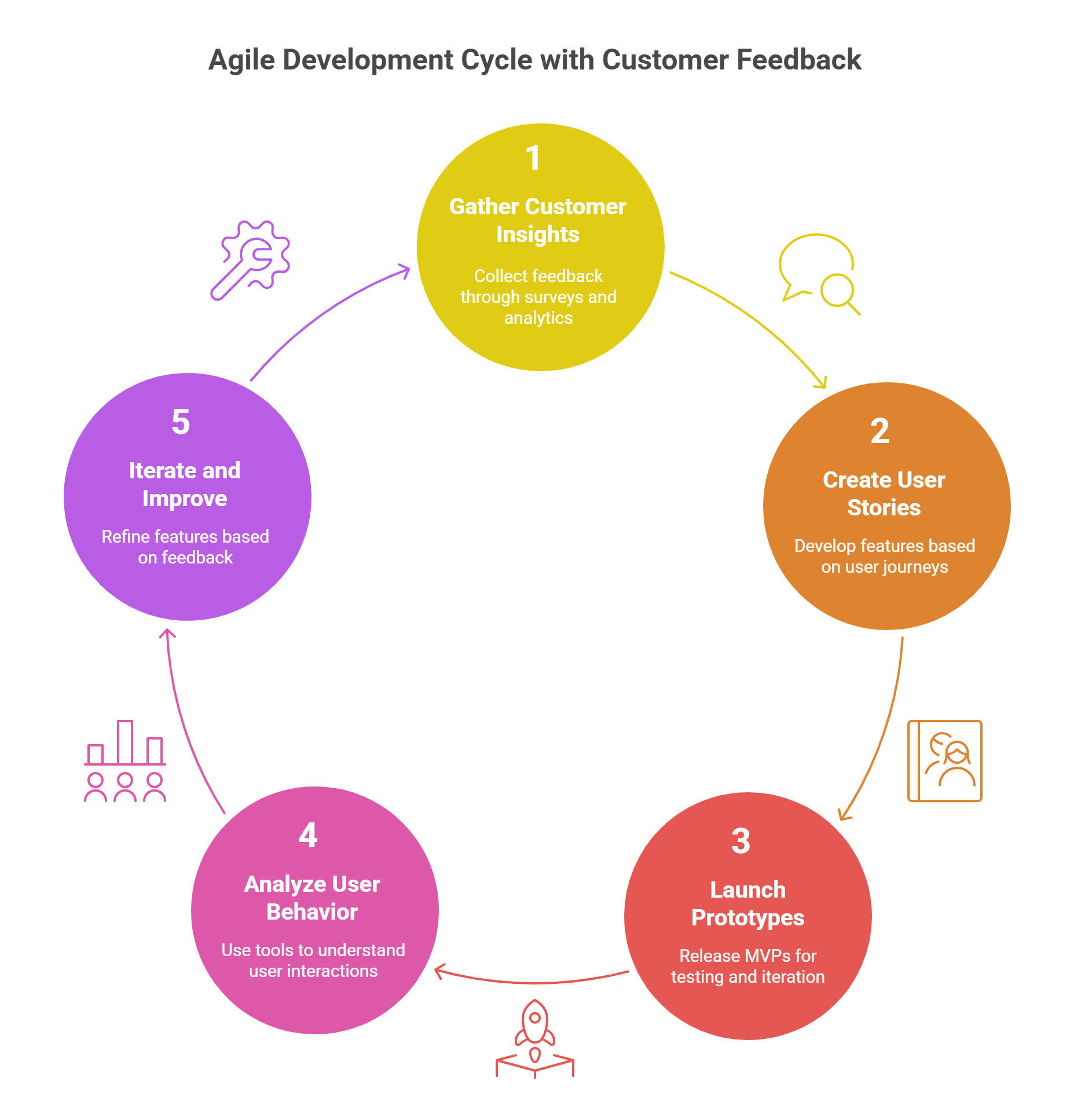
Customer feedback is the new compass. In 2025, Agile success depends heavily on how frequently and effectively customer insights are integrated into the development cycle.
Key Tactics:
- User Story Mapping: Creating features based on real user journeys.
- Live Prototyping: Launching MVPs and iterating fast.
- Feedback Loops: Leveraging surveys, analytics, and A/B testing.
Tools That Help:
- Hotjar & FullStory: User behavior analytics.
- UXPressia: For journey mapping and persona building.
- Figma: Real-time collaboration on prototypes.
Teams that prioritize the customer voice achieve higher product-market fit and user satisfaction.
Strategy #5: Agile Leadership and Mindset Shifts

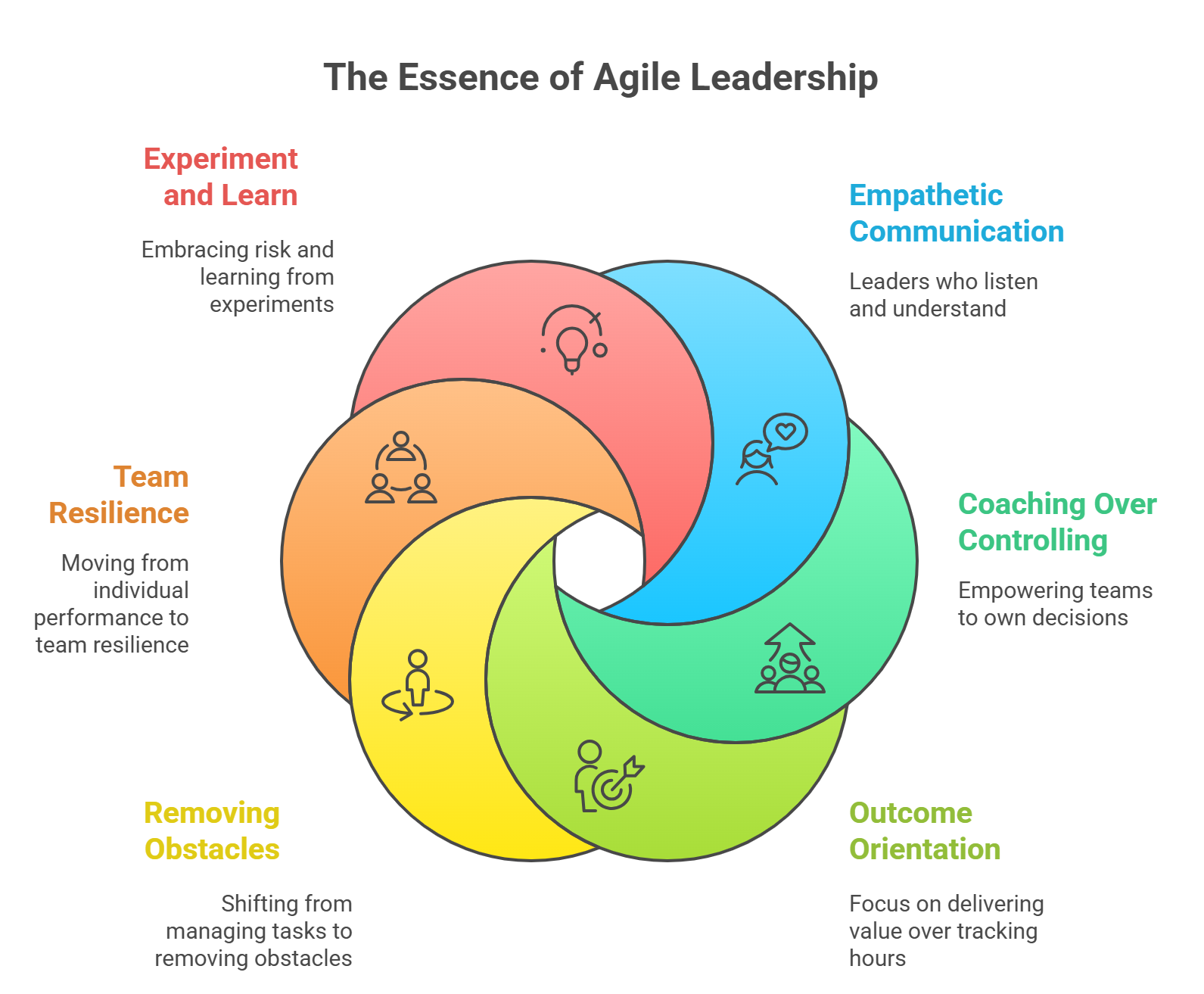
2025 demands Agile leaders, not micromanagers. Traditional management structures are giving way to servant leadership, emotional intelligence, and growth mindsets.
Qualities of Agile Leaders:
- Empathetic Communication: Leaders who listen, not command.
- Coaching Over Controlling: Empowering teams to own decisions.
- Outcome Orientation: Focus on delivering value over tracking hours.
Shifts in Mindset:
- From "managing tasks" to "removing obstacles."
- From "individual performance" to "team resilience."
- From "risk avoidance" to "experiment and learn."
Agile leadership fosters trust, accountability, and innovation, making teams more adaptive to change.
The Future of Agile Careers
The demand for Agile professionals is skyrocketing in 2025. Organizations are actively hiring:
In-Demand Roles:
- Scrum Master
- Product Owner
- Agile Coach
- Agile Business Analyst
Salary Trends (Sources: Glassdoor, PMI Pulse Report 2024):
- Scrum Master (India): INR 12–18 LPA
- Product Owner (US): $100,000–$135,000 annually
- Agile Coach (Global): Up to $160,000 for senior roles
Career Growth Paths:
- Project Manager → Agile Program Manager
- Developer → Product Owner or Scrum Master
Upskilling in Agile is not just a resume booster—it’s a career-defining decision.
Master Agile in 2025

Ready to future-proof your career with Agile?
Our Agile Project Management Course offers:
- Real-world simulations
- Certification prep (Scrum, PMI-ACP, Kanban)
- Mentorship from industry veterans
- Lifetime access to learning materials
Don’t wait. Become the Agile leader the future needs.
Written By
Critical Legal Writer Intern at BISJHINTUS, English Honours (Gold Medalist) / LL.B.

Designed By
UI/UX Designer at BISJHINTUS

Share this post:
Leave a comment
Your email address will not be published. Required fields are marked *
Write a Review
Related Posts

Discover the key differences between Scrum and Kanban in Agile project management. Learn the top 7 p...

Discover how AI transforms Agile project management in 2025. Learn AI tools, strategies, and use cas...
